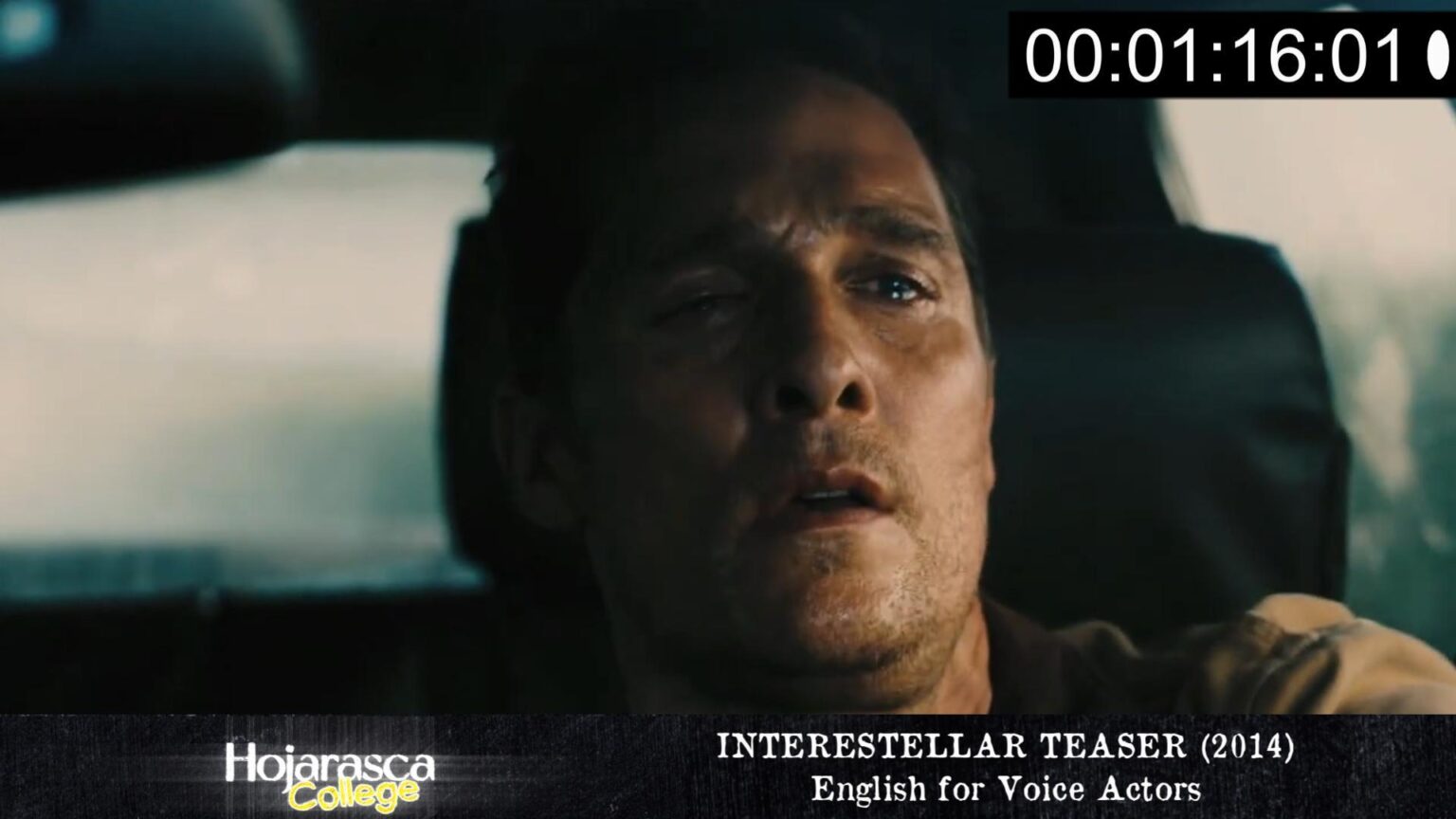
The Interstellar teaser shows a powerful idea about how humans think and feel when facing big challenges. From a psychological perspective, it reminds us that people naturally want to explore, discover, and push limits. It explains how, throughout history, humans have celebrated moments when they achieved things that once seemed impossible, like flying faster than sound or reaching space. These victories gave people hope and inspired entire generations to dream bigger.
However, the teaser also shows a shift in mindset. It suggests that society may have become afraid of risks or too focused on surviving day-to-day problems, causing people to forget their adventurous spirit. Psychologically, this reflects how fear, uncertainty, or difficult circumstances can make individuals and societies stop dreaming and aim lower, even if they are capable of more.
The message encourages viewers to remember that curiosity and courage are important parts of human identity. It highlights how believing in a greater purpose can motivate people to overcome fear and step into the unknown. The idea that “our destiny lies above us” symbolizes hope, ambition, and the human desire to grow beyond current limits.
For younger audiences, the teaser teaches that it is normal to feel scared when facing something new or difficult, but growth often happens when people choose to be brave anyway. It reminds us that mistakes, risks, and challenges are not signs of failure, but opportunities to learn and discover new possibilities.
Overall, the teaser delivers an uplifting psychological message: humans are natural explorers, and progress happens when people keep imagining, questioning, and daring to dream about what might exist beyond what they already know.
FUN FACTS
Real Science Behind the Black Hole
The black hole “Gargantua” was created using real theoretical physics. Christopher Nolan worked with physicist Kip Thorne, and the visual effects were so scientifically accurate that they helped researchers publish new scientific papers about how black holes might actually look.
The Cornfield Was Real
Instead of using CGI, the production team planted over 500 acres of real corn in Canada for the farm scenes. Fun fact: after filming, they actually harvested and sold the corn, helping recover part of the movie’s production costs.
Hans Zimmer Didn’t Know It Was a Space Movie
When Christopher Nolan asked Hans Zimmer to compose the soundtrack, he only gave him a short story about the relationship between a father and his child — without mentioning space at all. That emotional focus is why the soundtrack feels so deeply human and moving.
QUESTIONS FOR DISCUSSION AND ANALYSIS
Do you think humanity truly needs exploration and discovery (like space travel) to grow, or can we evolve enough by focusing only on solving problems here on Earth?
The teaser suggests that humans have “forgotten” they are pioneers. Do you agree that modern society has lost its sense of curiosity and adventure, or has it simply changed how we explore the unknown?
Is pursuing big dreams and “reaching for the stars” worth the risks and sacrifices it may demand from families, resources, and human lives? Why or why not?
“The film and script excerpts used are for educational purposes only, under fair use or quotation rights according to applicable laws. All rights belong to their respective authors and production companies.»